

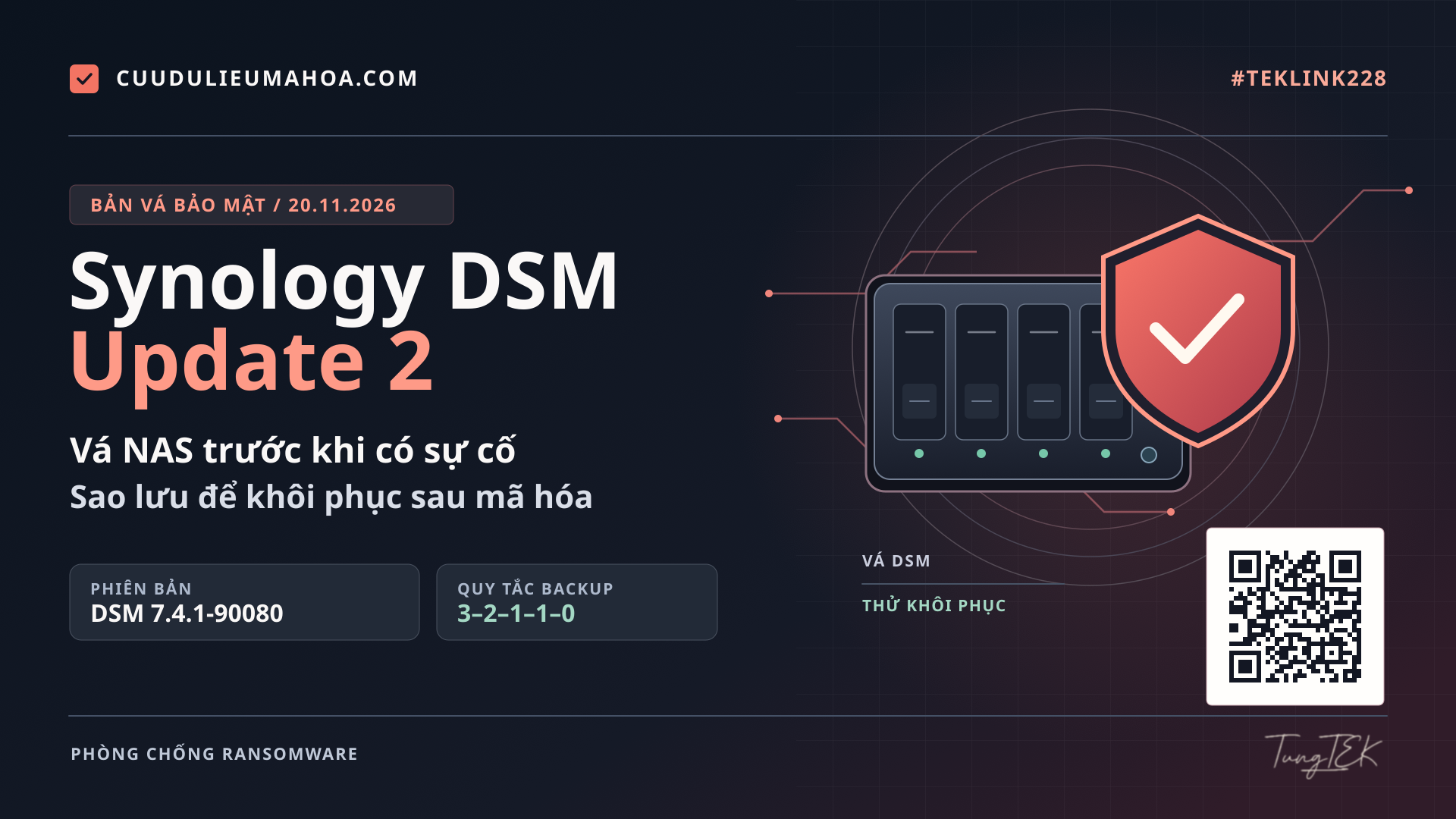
Synology DSM security update and protecting data from ransomware
Check your DSM build before patching, test a one-file restore and keep 3-2-1-1-0 backups to preserve recovery options after ransomware.
CUUDULIEUMAHOA.COM · BY TUNGTEK
The context, methods and assessment results are presented within the scope that can be made public. Customer identities are withheld.
Check your DSM build before patching, test a one-file restore and keep 3-2-1-1-0 backups to preserve recovery options after ransomware.
What should IT preserve when data is encrypted? Learn when a decryptor may help and how to judge whether recovered data is usable.
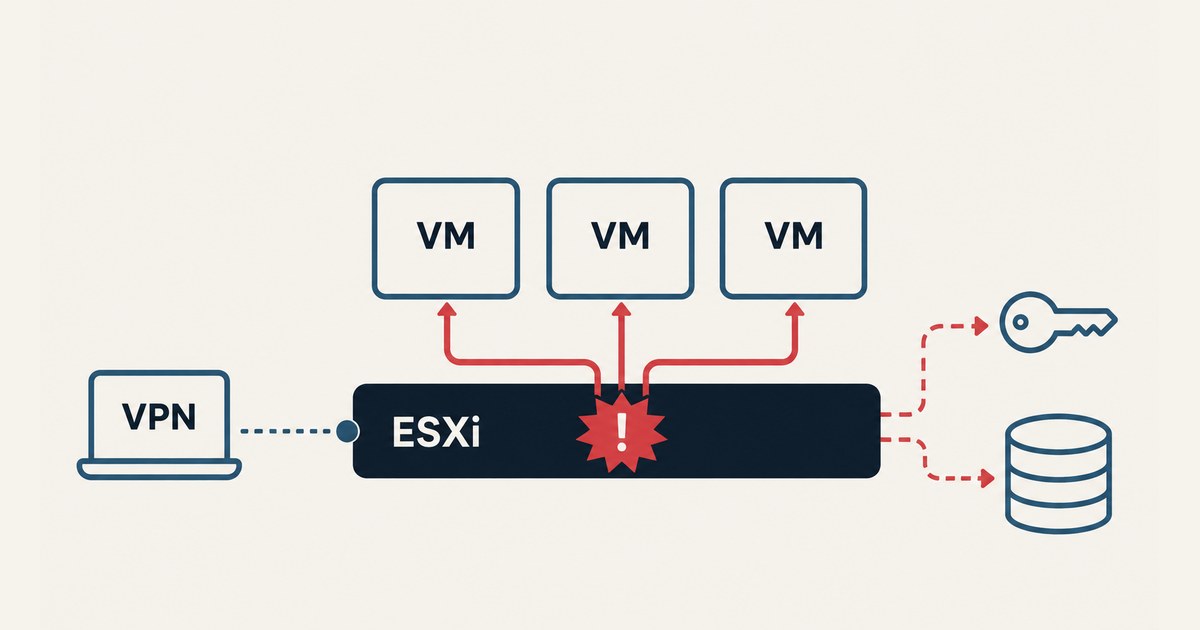
Suspected GhostFrame on ESXi: preserve logs, VMDKs and snapshot chains, assess credential exposure and validate backups before recovery.
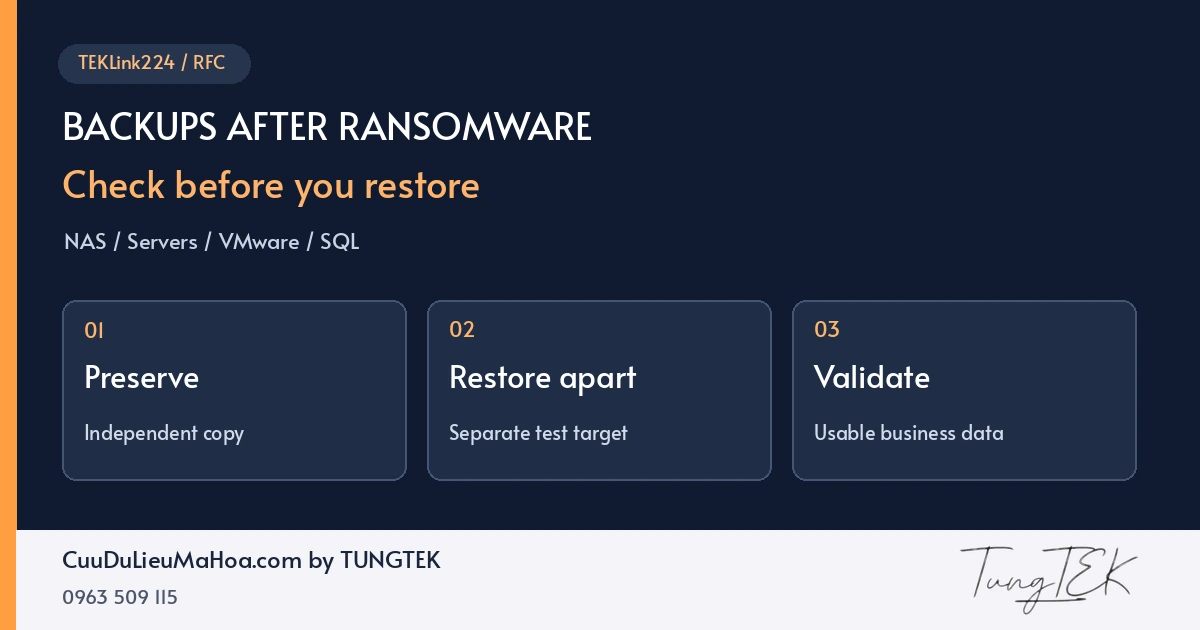
The backup files are still on disk. Are they ready to bring the business back? Check the source, restore into a separate environment and validate the result with the applications people use.
Community tools add a recovery route for NAS data. Memory state, preserved copies and controlled tool trials determine whether that route is suitable for your system.
A working NAS does not establish that its documents are intact. Drawing on the ongoing #1377 assessment, Tung TEK explains recovery sources, preservation and validation before handover.
Before formatting, rebuilding RAID or testing a decryptor, preserve the only source. Tung TEK explains controlled recovery, competent reporting channels and distinct notification duties.
A .babyk extension does not establish that the data is lost. Tung TEK explains five steps to preserve NAS/RAID, assess copies and choose a safe extraction path.

Windows DFIR checklist for AnyDesk in a ransomware incident: traces, services, event logs, file-system evidence, SQL/NAS and safe recovery.
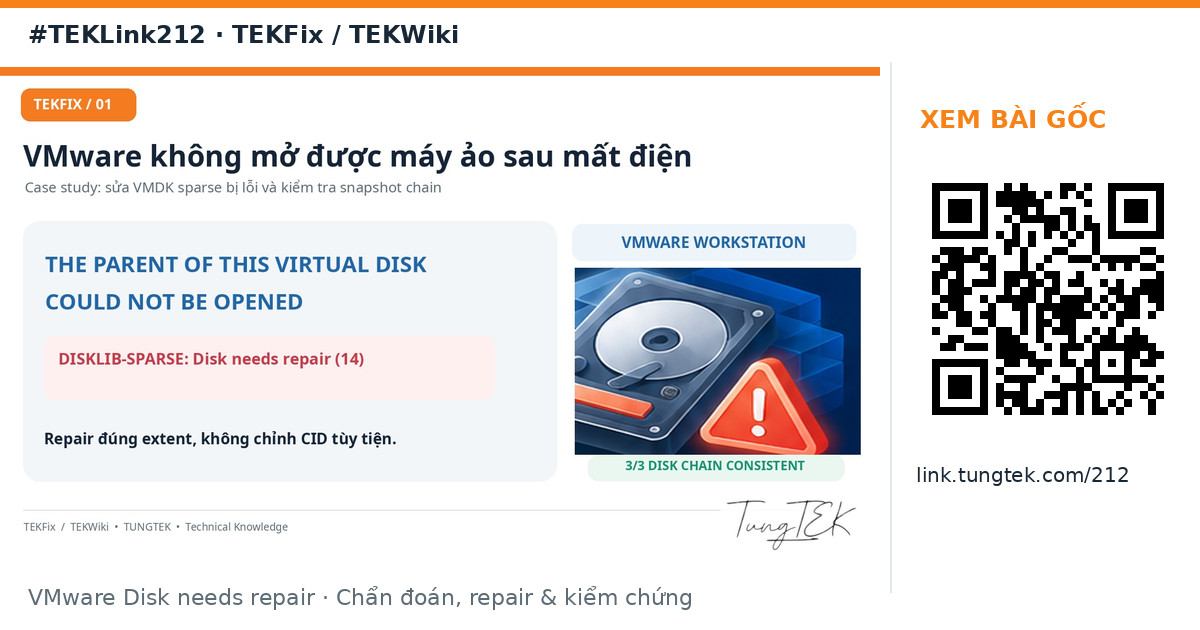
Disk needs repair does not establish ransomware. TEKLink212 separates VMDK metadata errors, evidence scope and appropriate triage.
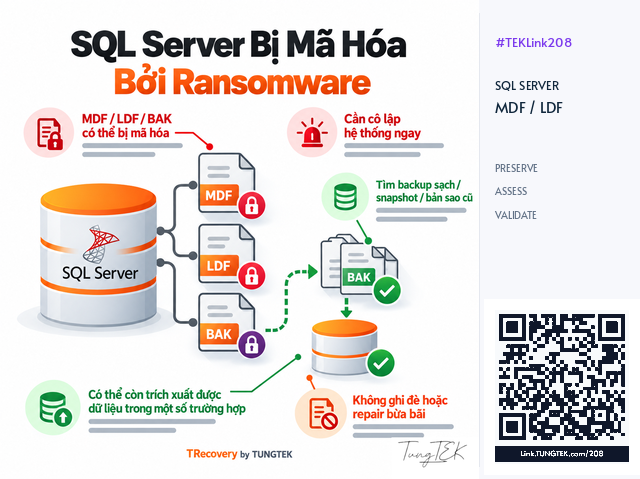
What should RFC examine after SQL Server ransomware? Distinguish clean sources, legitimate keys/decryptors and readable-region extraction, then validate business data.
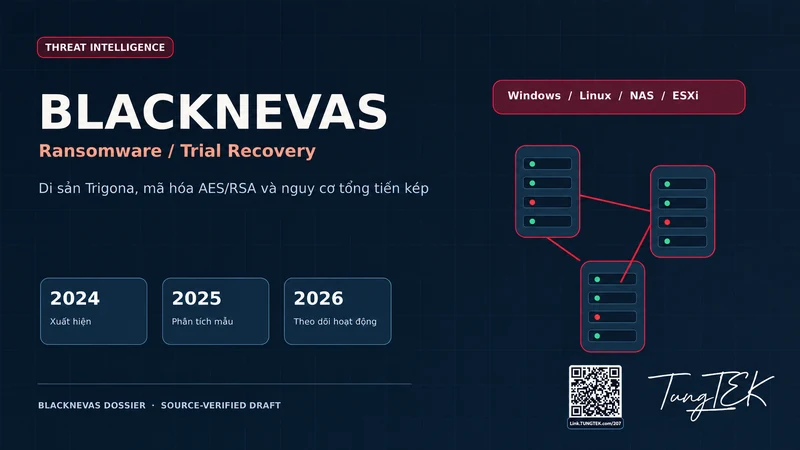
Containment, file preservation, backup assessment, and format-specific extraction limits; encryption percentages are not recovery rates.
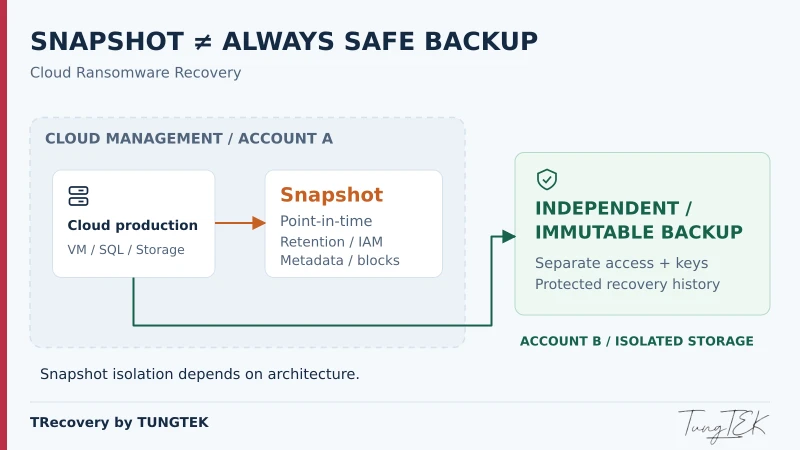
A technical companion to the IDCF Cloud incident: snapshots, backups and replication; SQL Server recovery chains, 3-2-1-1-0 architecture and a business readiness checklist.

Analysis of destructive encryption, BYOVD, partial encryption and assessment of intact data on SQL Server, NAS/RAID and virtual machines. Public research, rather than a customer case.
TUNGTEK received Synology HAT3300-4T drives to analyze the RAID, filesystem and prospects for extracting encrypted data. The case remains under analysis; the ransomware family and recovery results have not been announced.
TUNGTEK’s technical perspective on ransomware in 2026, leak-site data, RFC and encrypted data extraction prospects.
Analysis of the incident published by CyRadar: the attack chain before encryption, SQL Server risks and TUNGTEK’s approach to extracting encrypted data.
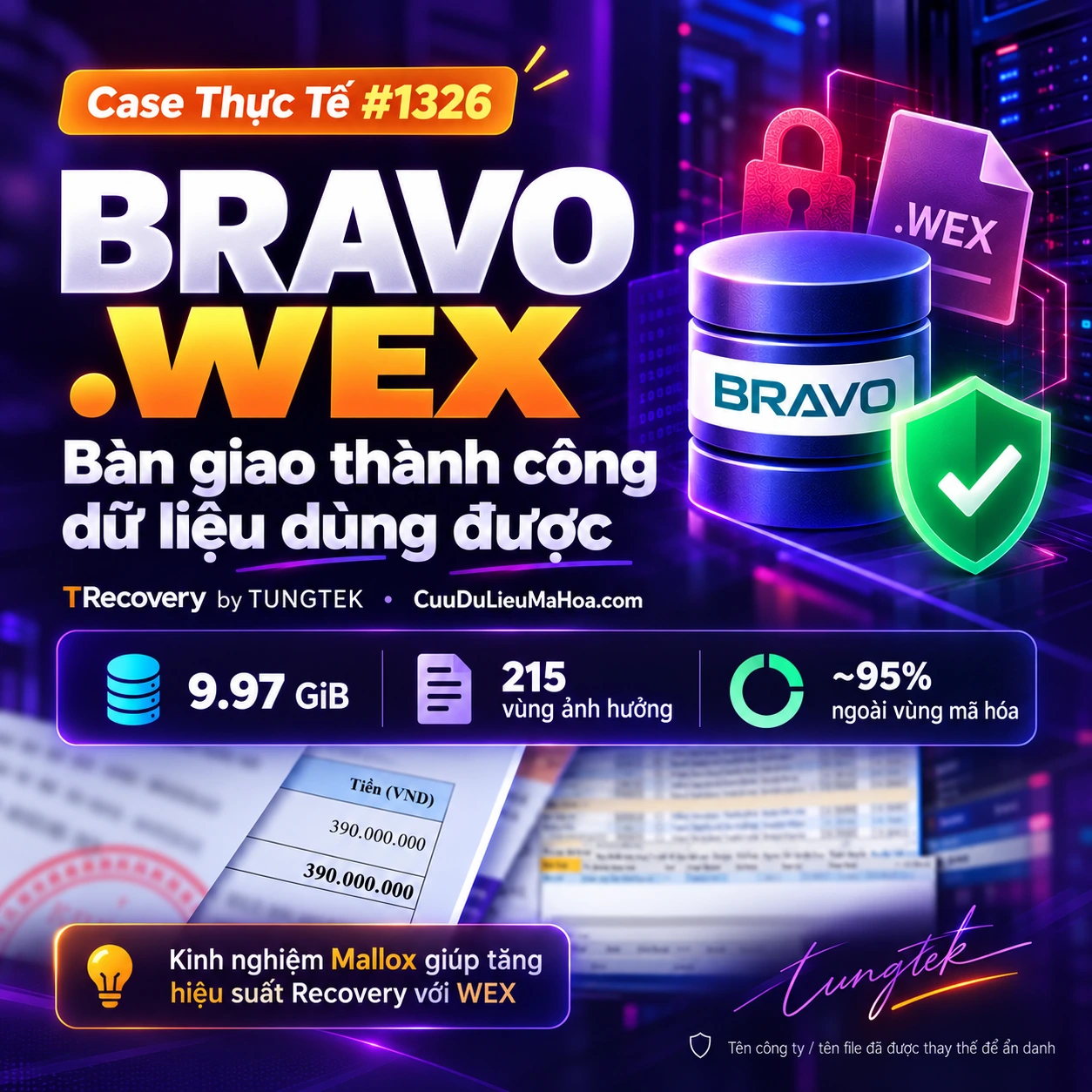
Lessons from Mallox to WEX: a 9.97 GiB MDF sample, 215 affected regions, RFC and validation in BRAVO before handover.
PIZ-2026 / Pizhon-tracked | In-depth TEKLab analysis. Eight tickets, USD 2,000–12,000 ransom demands, entropy, IOC/TTP findings and evidence-based ransomware recovery.
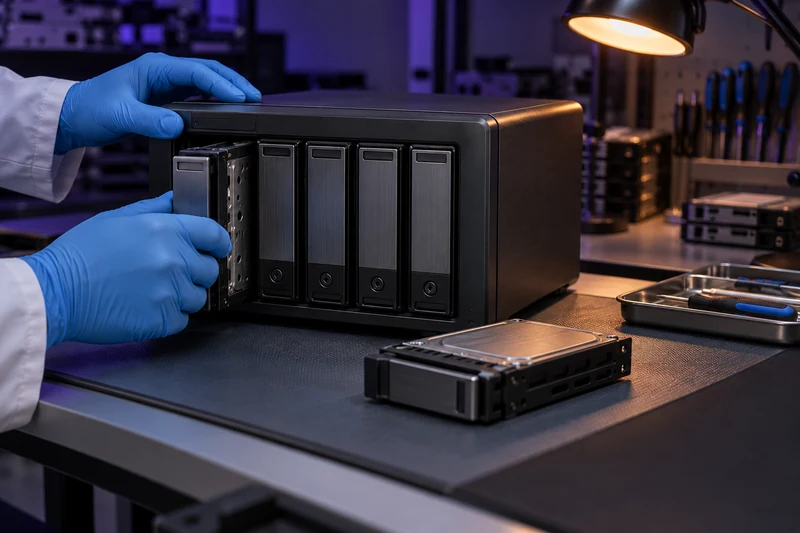
An anonymized case at a major car dealership, alongside TUNGTEK’s experience with four .encrypt cases at TEKLab. Learn how NAS systems are assessed, their current state preserved and data verified.