
This article retains the initial findings as of 23 September 2026. Read the expanded analysis: .PIZ Ransomware 2026: From Threat Intelligence to 8 Cases at TUNGTEK →
01 / IDENTIFICATION
What do .PIZ indicators tell us?
In cases received by TUNGTEK in September 2026, some important files had an added extension of .piz and the systems displayed ransom notes. Examined samples showed altered data; comparable samples contained a trailing structure called META. These indicators help the technical team classify and compare samples within each case.
The .piz extension alone cannot identify the attacker group, algorithm, exploited vulnerability or recovery prospects. The tickets are at different assessment stages. TUNGTEK has not published a conclusion about the intrusion path or a universal extraction tool for all .piz files.
RFC assesses specific samples and their current state. A sample that meets implementation criteria does not mean the entire system has been recovered.
02 / ACTIVE CASES
Three tickets, three data scopes
Customer names, contact details, victim identifiers and internal data have been omitted. The following findings can be shared publicly from TUNGTEK’s technical records as of the update date.
SQL Server database
The case includes a database file .mdf.piz and a backup sample .bak.piz. RFC recorded 96% on one MDF file selected for assessment, sufficient to plan extraction for that sample. This is an assessment metric for that individual sample, not the ticket’s actual extracted data percentage.
Encrypted files and ransom note
The technical team received the note and samples with the extension .piz and observed similarities in the trailing file structure. The current evidence supports format identification and RFC preparation; it is insufficient to determine whether a processing tool can be developed or what proportion can be extracted.
Server / NAS, prioritizing databases and backups
Initial samples carrying the extension .piz show encryption indicators. The team is prioritizing receipt of the relevant database and backup samples to assess usability. No RFC score is available for the priority files at this stage.

Similarities between samples are indicators for further comparison, rather than evidence that every case involves the same group. Each technical decision remains based on the sample files, storage structure, backups and data integrity in that system.
03 / INITIAL RESPONSE
You have just found .piz files. What next?
- 01
Isolate affected systems
Disconnect network access under the incident response procedure and identify affected servers and storage devices. Avoid additional writes to data that needs examination.
- 02
Preserve the evidence
Keep the ransom note, representative files with the extension
.piz, corresponding originals if available, backups and relevant logs. Record paths, sizes and discovery times; create read-only copies and hashes when handing over samples. - 03
Prioritize the data you need first
List databases, backups, virtual machines and files essential to operations. Avoid mass renaming, overwriting backups or running tools of unknown origin on the original data.
- 04
Perform RFC before choosing an approach
Assess samples and integrity, test suitable copies and establish acceptance criteria. Report results by data type before extraction begins.
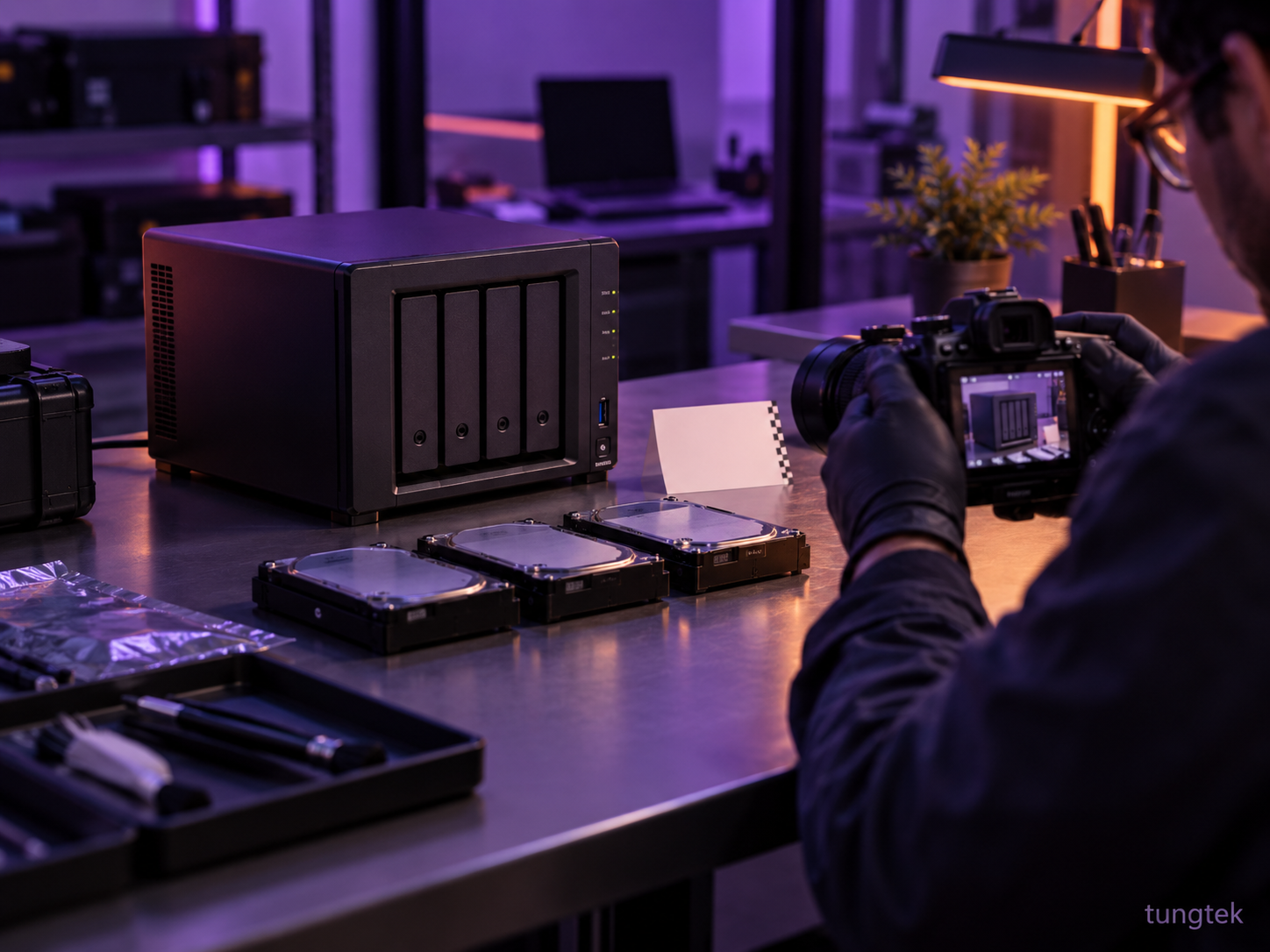
Guidance on system isolation and evidence preservation draws on the CISA #StopRansomware Guide. You can also use No More Ransom’s Crypto Sheriff for public identification checks; search results do not replace RFC assessment of the actual files.
04 / QUICK FAQ
What cannot yet be concluded
Is .PIZ definitely a known ransomware strain?
No. File extensions and structural indicators help group samples within tickets, but cannot establish a ransomware family or attacker attribution on their own.
Does an RFC score of 96% mean 96% of all data can be recovered?
No. This is an assessment result for a specific MDF file in Ticket #1339, qualifying that sample for implementation. Actual results are established only after extraction, usability checks and acceptance.
Is there a public tool for every .piz file?
No suitable tool was found in the offline catalog checked for Ticket #1339. Public tool availability can change; do not download a tool merely because it mentions the same extension.